

Every organization today faces a version of the same problem. The workforce is distributed, the cloud environment is complex, and the number of applications employees need to access keeps growing. At the same time, regulators are demanding stricter controls, cyber threats are increasing in frequency and sophistication, and IT teams are stretched thin managing access for thousands of users across dozens of systems.
Identity and Access Management has moved from a back-office IT function to a front-line business priority. Organizations that once managed access through spreadsheets and manual helpdesk tickets are realizing those approaches create risk, slow down operations, and fail audits.
What Are the Benefits of Identity and Access Management? IAM reduces security risk, automates user provisioning, enforces compliance controls, and improves workforce productivity. Key benefits include stronger access control, reduced data breach exposure, streamlined onboarding and offboarding, lower IT support costs, and a foundation for Zero Trust and digital transformation strategies.
Modern IAM platforms touch every part of the business. They protect sensitive data, ensure only the right people have access to the right systems, automate repetitive IT processes, and give organizations the audit trail regulators require. For business leaders evaluating whether to invest in IAM, the question is no longer whether IAM delivers value. The question is how much value organizations are leaving on the table by delaying.
What Is Identity and Access Management (IAM)?
Definition
Identity and Access Management is a framework of policies, processes, and technologies that organizations use to manage digital identities and control access to systems, applications, and data. IAM ensures that the right people have access to the right resources at the right time, and that unauthorized access is prevented.
In practical terms, IAM governs how users are created, how they authenticate, what they can access, and how their access is removed when they leave the organization or change roles.
How IAM Works
IAM systems work by creating a centralized identity repository where every user, whether an employee, contractor, partner, or customer, has a defined identity profile. That profile determines what applications, systems, and data a person can access.
When a user attempts to log in, the IAM system verifies their identity through authentication methods such as passwords, Multi-Factor Authentication, or biometrics. Once authenticated, the system checks their authorization profile to determine what resources they are permitted to access. All of this happens in seconds, often invisibly to the end user.
When a user’s role changes, or when they leave the organization, IAM systems can automatically update or revoke their access based on predefined policies, eliminating the manual effort and the risk of orphaned accounts.
Core Components of IAM
| Component | Function |
|---|---|
| Identity Governance | Policies and processes that define who should have access and why |
| Access Certification | Periodic reviews to verify access rights remain appropriate |
| Single Sign-On (SSO) | Unified login that grants access to multiple applications |
| Multi-Factor Authentication (MFA) | Additional verification beyond passwords |
| Password Management | Self-service tools for password resets and policy enforcement |
| Role-Based Access Control (RBAC) | Access rights assigned based on job role |
| User Lifecycle Management | Automated provisioning and deprovisioning throughout employment |
| Identity Bridge | Connecting on-premises identity systems with cloud environments |
Why IAM Is More Important Than Ever
Remote Work
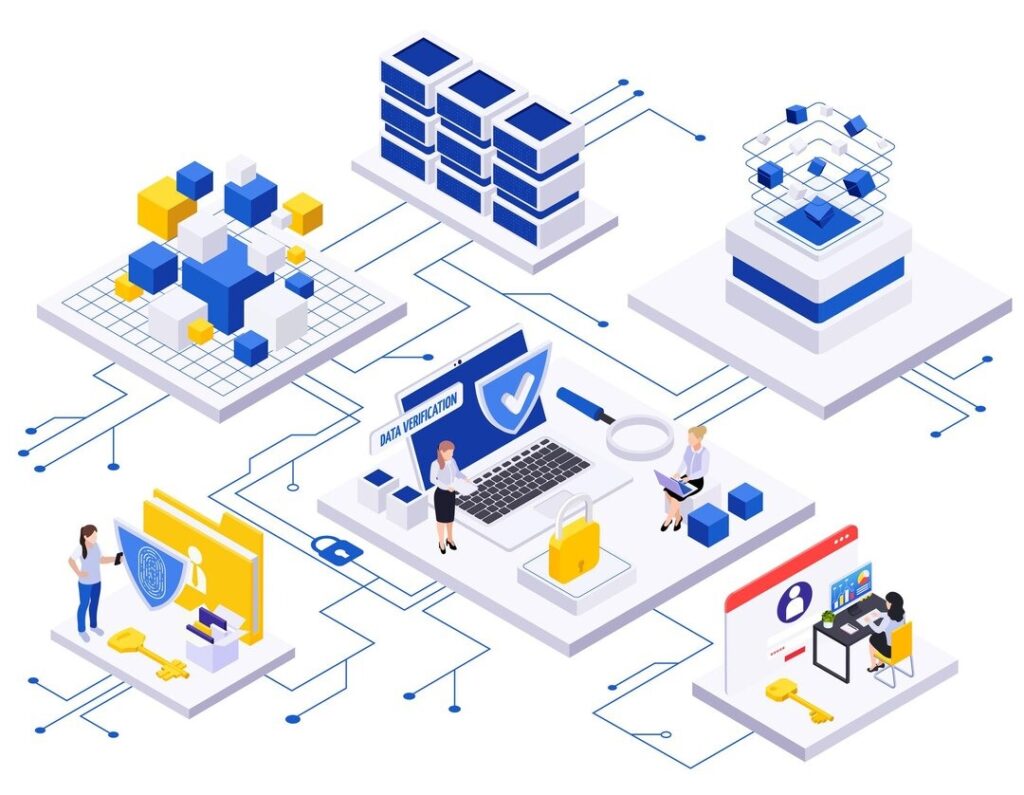
The shift to remote and hybrid work permanently changed the access management landscape. Employees now log in from home networks, personal devices, coffee shops, and airports. The traditional security perimeter that once protected enterprise systems is gone. IAM fills that gap by verifying identity at every access point regardless of where the user is connecting from.
Organizations without strong IAM controls discovered during the pandemic that remote work created significant exposure. Compromised credentials became the primary attack vector, and without MFA or behavioral analytics in place, attackers moved freely through enterprise systems.
Cloud Adoption
As organizations migrate to cloud platforms and adopt SaaS applications, managing access becomes dramatically more complex. A typical enterprise today runs dozens of cloud applications, each with its own access model, its own user store, and its own set of permissions.
IAM platforms provide a centralized control plane for all of these applications. Rather than managing access separately in each system, administrators define policies once and apply them across the entire application portfolio. This centralization is what makes cloud security manageable at scale.
Rising Cyber Threats
According to Verizon’s 2024 Data Breach Investigations Report, credential theft remains the leading cause of data breaches, involved in over 77% of basic web application attacks. Attackers know that stolen credentials are the fastest path into an enterprise environment. IAM directly addresses this vulnerability through stronger authentication, anomaly detection, and access controls that limit what a compromised account can reach.
Regulatory Compliance
Compliance requirements have expanded significantly across industries. HIPAA, SOX, GDPR, PCI DSS, and a growing list of state-level privacy laws all include provisions related to access controls, audit trails, and identity management. Organizations that cannot demonstrate proper access governance face fines, legal exposure, and reputational damage.
Digital Transformation
Every digital transformation initiative depends on a solid identity foundation. Whether an organization is migrating to the cloud, adopting DevOps practices, deploying IoT devices, or building customer-facing digital experiences, IAM provides the security and governance layer that makes those initiatives possible. Without it, digital transformation creates risk faster than it creates value.
15 Business Benefits of Identity and Access Management

1. Enhanced Cybersecurity
IAM strengthens the entire cybersecurity posture of an organization by treating identity as the primary security perimeter. Rather than relying on network boundaries that no longer exist in cloud and hybrid environments, IAM enforces security at the point of access. Every login attempt is verified, every access request is evaluated against policy, and every anomaly is flagged for review.
Strong IAM implementation means that even if an attacker obtains a user’s password, MFA and behavioral analytics can prevent that credential from being used to breach the environment. This layered approach to security is what modern threat models require.
2. Reduced Risk of Data Breaches
Data breaches are expensive. The IBM Cost of a Data Breach Report 2024 put the average cost of a breach in the United States at $9.36 million. The majority of these breaches involve compromised credentials or excessive access rights that allow attackers to move laterally through systems.
IAM reduces breach risk in two ways. First, it makes credential compromise harder through MFA and anomaly detection. Second, it limits the damage when a breach does occur by enforcing least-privilege access. When users only have access to what they need for their job, an attacker who compromises one account gains access to far fewer systems and data sets.
3. Stronger Access Control
Role-Based Access Control gives organizations a structured way to manage who can access what. Rather than assigning permissions individually to thousands of users, RBAC assigns permissions to roles and then assigns roles to users. When an employee joins the finance department, they automatically receive the access rights appropriate for a finance team member. When they move to operations, those rights are updated automatically.
This model scales far better than manual access management and produces a consistent, auditable access profile for every user in the organization.
4. Improved Regulatory Compliance
Compliance officers and auditors increasingly expect organizations to demonstrate that access controls are enforced, monitored, and regularly reviewed. IAM platforms generate the audit trails, access reports, and certification records that make compliance evidence straightforward to produce.
For organizations subject to SOX, demonstrating segregation of duties controls is a core requirement. For HIPAA-covered entities, showing that only authorized personnel have access to protected health information is non-negotiable. For GDPR compliance, being able to demonstrate data access controls satisfies key provisions of the regulation. IAM makes all of these requirements manageable rather than burdensome.
5. Automated User Provisioning
Manual provisioning is one of the most error-prone and time-consuming tasks in IT operations. When a new employee joins, IT must create accounts across multiple systems, assign the correct permissions, and ensure access is granted in time for the employee’s first day. When done manually, this process takes days and frequently results in errors or omissions.
Automated user provisioning through IAM connects to HR systems and triggers account creation across all connected applications the moment a new hire record appears. The new employee arrives on their first day with access to everything they need, without a single manual ticket.
6. Faster Employee Onboarding
The connection between IAM and faster onboarding is direct. When provisioning is automated and role-based access templates are in place, a new employee can be fully operational on day one. This matters for productivity, but it also matters for employee experience. New hires who spend their first week waiting for system access develop a negative impression of the organization’s operational maturity.
Organizations with mature IAM programs report onboarding times that are measured in minutes rather than days. This improvement compounds across every new hire and every internal transfer.
7. Streamlined Employee Offboarding
Offboarding is where many organizations have their greatest access management risk. When an employee leaves, their access across dozens of systems must be revoked promptly. Studies consistently show that a significant percentage of former employees retain active access to company systems weeks or months after their departure.
IAM platforms automate offboarding by triggering deprovisioning across all connected systems the moment an employee record is terminated in the HR system. Access is revoked simultaneously, completely, and with a full audit trail showing exactly when each account was disabled.
8. Improved Productivity
Productivity gains from IAM come from multiple directions. Single Sign-On eliminates the friction of logging into multiple applications separately. Automated provisioning means users have access when they need it. Self-service password reset eliminates the helpdesk call for one of the most common IT support requests.
For knowledge workers who use a dozen applications throughout their day, SSO alone can recover a meaningful amount of productive time. Multiply that across an organization of thousands of employees and the aggregate productivity gain is substantial.
9. Lower IT Support Costs
Password reset requests account for a disproportionate share of helpdesk volume. Industry estimates suggest that password-related calls represent between 20% and 50% of helpdesk tickets, and each call costs an average of $70 in helpdesk resources.
IAM-based password management solutions allow users to reset their own passwords securely through self-service portals, eliminating the majority of these calls. Access request automation further reduces helpdesk load by allowing users to request and receive access to applications through automated approval workflows rather than manual ticketing.
10. Better Password Management
Weak and reused passwords remain one of the most persistent security vulnerabilities in enterprise environments. Users who manage passwords for dozens of applications without tooling will inevitably reuse passwords, create simple ones, or write them down.
IAM password management solutions enforce strong password policies, support password vaults, and increasingly support passwordless authentication methods. These capabilities raise the baseline security posture across the organization without adding friction that drives users toward workarounds.
11. Improved User Experience Through SSO
Single Sign-On transforms the user experience for application access. Instead of maintaining separate credentials for each application and navigating multiple login screens throughout the day, users authenticate once and move freely between applications.
The user experience improvement is meaningful for everyday productivity, but SSO also has a direct security benefit. When users authenticate once through a central provider that enforces MFA, every application in the portfolio benefits from strong authentication without requiring each application to implement its own MFA controls.
12. Better Governance and Audit Readiness
Identity governance provides the policy framework that determines who should have access to what based on job function, business need, and risk profile. Access certification provides the operational mechanism for regularly reviewing and validating that access rights remain appropriate.
Together, these capabilities give organizations continuous visibility into their access landscape. When an auditor asks to see evidence of who had access to a financial system over the past year, and whether that access was reviewed and certified, a mature IAM program produces that evidence quickly and accurately.
13. Reduced Insider Threat Risks
Insider threats, whether from malicious actors or inadvertent mistakes by legitimate users, represent a significant portion of security incidents. Overprivileged users who have access far beyond what their job requires create risk even when their intentions are good. A single compromised account with excessive privileges can cause enormous damage.
IAM reduces insider threat risk by enforcing least-privilege principles, flagging anomalous access behavior, and maintaining detailed access logs that support incident investigation. Access certification processes regularly identify and remove excessive privileges before they can be exploited.
14. Support for Zero Trust Security
Zero Trust is a security model built on the principle that no user, device, or network should be trusted by default, regardless of whether they are inside or outside the corporate network. Identity is the foundation of every Zero Trust architecture.
IAM provides the identity verification, continuous authentication, and contextual access controls that Zero Trust requires. Without a mature IAM foundation, Zero Trust implementation is not possible. Organizations investing in Zero Trust must treat IAM as the first and most critical component of that strategy.
15. Foundation for Digital Transformation
Every major technology initiative an organization undertakes, whether cloud migration, DevOps adoption, API-driven integration, or digital customer experience, requires strong identity controls. IAM provides the security and governance foundation that allows these initiatives to move forward without creating unacceptable risk.
Organizations that build a mature IAM program early in their digital transformation journey find that subsequent initiatives move faster and with fewer security complications. Those that skip IAM often face costly remediation efforts when security gaps in their digital environment are discovered.
How IAM Improves Enterprise Security
Identity-Based Security
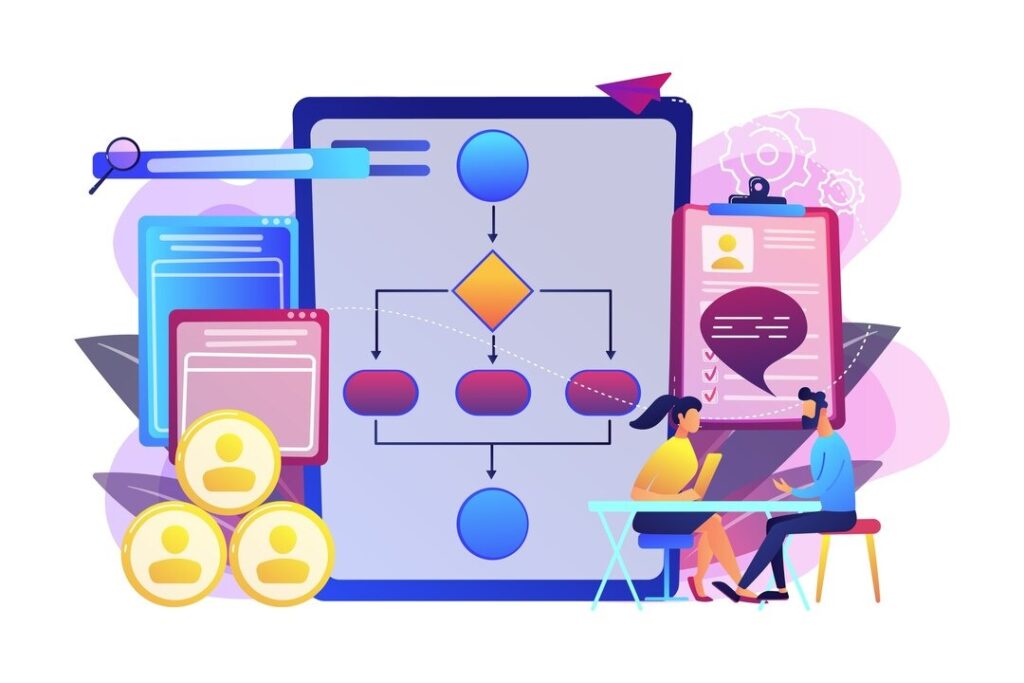
The shift to identity-based security reflects the reality that network perimeters no longer provide meaningful protection. Users access enterprise resources from anywhere, on any device, through any network. The only constant in every access transaction is the identity of the user.
IAM makes identity the primary control point for enterprise security. Every access request is tied to a verified identity, every action is logged under that identity, and every anomaly triggers a response based on identity context.
Access Governance
Access governance defines the policies that determine what access is appropriate for different roles, departments, and business functions. These policies are codified in the IAM platform and enforced automatically across all connected systems.
Good access governance also includes the processes for requesting, approving, and reviewing access. When business leaders understand that every access right must be justified by a business need and reviewed periodically, the culture of security in the organization improves.
Continuous Authentication
Modern IAM platforms go beyond point-in-time authentication at login. Continuous authentication monitors user behavior throughout a session, looking for signals that suggest the authenticated user may no longer be the person originally verified. Unusual access patterns, geographic anomalies, or behavioral changes can trigger step-up authentication or session termination.
This capability is particularly valuable in environments where session hijacking is a concern, and in high-security scenarios such as financial transactions or access to sensitive health records.
Risk-Based Access Controls
Risk-based access controls adjust authentication requirements based on the risk profile of each access request. A user logging in from their usual device, location, and at a normal business hour might be granted access with minimal friction. The same user logging in from an unfamiliar country at midnight triggers additional verification requirements.
This dynamic approach balances security with usability, reserving strong authentication friction for situations where the risk profile justifies it.
How IAM Helps Meet Compliance Requirements

HIPAA
The Health Insurance Portability and Accountability Act requires covered entities to implement technical safeguards that control access to protected health information. IAM directly addresses these requirements through access controls, audit logging, and automatic access termination. IAM platforms can demonstrate that only authorized personnel accessed PHI, when they accessed it, and what actions they took.
SOX
The Sarbanes-Oxley Act requires publicly traded companies to maintain strong internal controls over financial reporting. Segregation of duties, a core SOX requirement, is enforced through IAM role management. Access certification provides the documented evidence that access rights are reviewed and that conflicts of interest are identified and remediated.
GDPR
The General Data Protection Regulation requires organizations processing personal data of EU residents to implement appropriate technical measures to protect that data. IAM controls access to personal data, maintains audit trails of data access, and enables organizations to demonstrate compliance with access control requirements under GDPR.
PCI DSS
The Payment Card Industry Data Security Standard requires strict access controls around cardholder data environments. Requirement 7 of PCI DSS specifically addresses the need to restrict access to system components and cardholder data to only those individuals whose job requires such access. IAM enforces this requirement at scale across complex payment processing environments.
Audit Readiness
Beyond specific regulations, IAM improves general audit readiness by maintaining continuous, accurate records of who has access to what, how that access was granted, when it was reviewed, and when it was revoked. Organizations that can produce this evidence quickly and accurately perform better in audits and demonstrate a mature security posture to customers, partners, and regulators.
IAM Use Cases Across Industries
Healthcare
Healthcare organizations manage access for clinicians, administrative staff, contractors, and partners across clinical systems, EHR platforms, and administrative applications. IAM ensures that clinicians have quick access to the systems they need for patient care while ensuring that access to sensitive patient records is controlled, logged, and certified. Automated provisioning also supports the high employee turnover common in healthcare settings.
Financial Services
Banks, insurance companies, and investment firms face some of the strictest access control requirements of any industry. IAM enables financial services organizations to enforce segregation of duties across trading, risk, and finance functions, demonstrate SOX and PCI DSS compliance, and detect unusual access behavior that might indicate fraud or insider threat.
Retail
Retailers manage access for large, distributed workforces with high turnover and seasonal staffing fluctuations. IAM automation handles the provisioning and deprovisioning demands that manual processes cannot scale to meet. For retailers operating e-commerce platforms, IAM also governs customer identity and access, enabling personalized experiences while protecting customer data.
Manufacturing
Manufacturing organizations increasingly connect operational technology systems to enterprise networks as part of Industry 4.0 initiatives. IAM extends to these connected environments, ensuring that access to production systems, supply chain applications, and partner portals is governed by the same policies as traditional enterprise systems.
Government
Government agencies manage identity and access for employees, contractors, and citizens across systems that carry some of the most sensitive data in existence. Federal IAM requirements are codified in frameworks such as FISMA, and agencies are increasingly implementing Zero Trust architectures with IAM as the foundation.
Education
Universities and K-12 institutions manage access for students, faculty, staff, and researchers across learning management systems, research platforms, and administrative applications. Student enrollment and faculty hiring create constant provisioning demands. IAM automation handles these demands while ensuring that student data is protected in accordance with FERPA requirements.
Common IAM Challenges Organizations Face

Legacy Systems
Many organizations run legacy applications that were not designed with modern identity protocols in mind. These systems may not support SAML, OAuth, or SCIM, making them difficult to integrate with modern IAM platforms. Organizations often use identity bridge technologies to connect legacy systems to modern IAM infrastructure without requiring full application rewrites.
Manual Processes
Organizations that rely on manual ticketing and spreadsheet-based access management face compounding inefficiencies. Every new hire, every role change, and every departure generates manual work. As the organization grows, the manual burden grows with it, creating backlogs, errors, and compliance gaps.
Access Sprawl
Over time, many organizations accumulate access rights that were never removed. Users change roles, projects end, and temporary access grants become permanent. Access sprawl creates a large attack surface and makes compliance evidence difficult to produce. Regular access certification processes are the most effective remedy.
Lack of Visibility
Without centralized IAM, organizations often have limited visibility into who actually has access to what across their application portfolio. Shadow IT, departmentally managed systems, and cloud applications acquired without IT involvement create blind spots that auditors and security teams find unacceptable.
Compliance Complexity
Meeting compliance requirements across multiple frameworks simultaneously is genuinely complex. Different regulations have different requirements, different audit cycles, and different evidence standards. IAM platforms that support multiple compliance frameworks through configurable reporting and certification workflows significantly reduce this complexity.
Key IAM Technologies Driving Business Value
Identity Governance
Identity governance is the policy and process layer that answers the question of who should have access to what, and why. Governance frameworks codify business rules around access, define the approval workflows for access requests, and drive access certification campaigns. Without governance, access management is reactive. With governance, it becomes proactive and business-aligned.
Access Certification
Access certification, sometimes called access reviews, is the periodic process of having business owners and managers review and validate the access rights of their direct reports and application users. Certification campaigns identify access that is no longer appropriate, drive remediation, and produce documented evidence for auditors. Automated certification workflows make this process manageable even in large organizations.
Single Sign-On
SSO simplifies authentication by allowing users to log in once and access all authorized applications without re-entering credentials. Modern SSO platforms support both cloud and on-premises applications, and they serve as the enforcement point for MFA policies. For organizations with large application portfolios, SSO is one of the highest-impact investments in both security and productivity.
Multi-Factor Authentication
MFA adds a second or third verification factor beyond the password, dramatically reducing the effectiveness of credential-based attacks. Modern MFA options include authenticator apps, push notifications, biometrics, and hardware tokens. Risk-based MFA platforms apply these controls selectively based on the risk profile of each access attempt, balancing security with user experience.
Password Management
Enterprise password management solutions enforce strong password policies, support secure password storage, and enable self-service password reset. Organizations that deploy password management solutions reduce helpdesk call volume, reduce the risk of password reuse attacks, and move closer to passwordless authentication models.
Role Management
Role management is the operational discipline of defining, maintaining, and assigning roles that reflect actual business functions. Good role management reduces access sprawl by ensuring that users receive only the access their role requires. Role mining tools analyze existing access patterns to suggest rationalized role structures for organizations starting from a state of access sprawl.
Identity Bridge
Identity bridge technologies connect on-premises directory services with cloud identity providers, enabling organizations to extend existing identity infrastructure to cloud environments without requiring immediate migration. For organizations managing hybrid environments, identity bridge capabilities allow a consistent governance model to apply across both legacy and modern systems.
Best Practices for Maximizing IAM Benefits

Automate User Lifecycle Management
Connect IAM to HR systems so that provisioning and deprovisioning are triggered automatically by HR events. New hire records should trigger account creation. Role changes should trigger access updates. Terminations should trigger immediate access revocation. This automation reduces manual effort, eliminates provisioning backlogs, and ensures that offboarding is complete and timely.
Implement Role-Based Access
Invest time in developing a rationalized role model that reflects actual business functions. Roles should be specific enough to enforce least privilege but broad enough to be manageable. Role-based access provisioning scales far better than individual access grants and produces a much cleaner audit trail.
Enable MFA
Deploy MFA broadly, starting with privileged accounts and administrative users, then extending to all workforce users. Prioritize risk-based MFA implementations that apply stronger authentication requirements to higher-risk access scenarios without adding unnecessary friction to routine access.
Conduct Regular Access Reviews
Establish a regular cadence of access certification campaigns. High-risk access should be reviewed quarterly. General access should be reviewed at least annually. Certification workflows should route reviews to the appropriate business owners, not just IT administrators, to ensure that access remains business-justified.
Monitor Privileged Access
Privileged accounts, those with administrative rights to systems, databases, and infrastructure, represent the highest-risk access in any environment. Implement Privileged Access Management controls, require separate privileged accounts for administrative tasks, and log all privileged activity. Review privileged access more frequently than standard user access.
Align IAM With Business Goals
IAM programs that are framed purely as security or compliance initiatives often struggle to secure executive sponsorship and sustained investment. The most successful IAM programs are positioned as business enablers that improve productivity, reduce operational costs, and accelerate strategic initiatives like cloud migration and digital transformation.
The Future of Identity and Access Management
AI-Powered Identity Security
Artificial intelligence is transforming how IAM platforms detect and respond to identity-based threats. Machine learning models analyze access patterns across millions of transactions to identify anomalies that human analysts would miss. AI-powered identity threat detection can flag suspicious behavior in real time, trigger step-up authentication, and automatically quarantine compromised accounts.
Passwordless Authentication
The era of the password is ending. FIDO2 standards, biometric authentication, and device-bound credentials are creating pathways to authentication that is both more secure and more convenient than passwords. Organizations that have built mature IAM foundations are well-positioned to adopt passwordless authentication as the technology matures.
Identity Threat Detection and Response
Identity Threat Detection and Response (ITDR) is an emerging capability that brings security operations center-style monitoring to the identity layer. ITDR platforms continuously monitor for indicators of identity compromise, including impossible travel, credential stuffing attempts, and lateral movement patterns, and respond to these threats automatically.
Decentralized Identity
Decentralized identity models give individuals control over their own identity credentials through verifiable credentials and blockchain-based identity systems. While still maturing, decentralized identity has significant implications for customer identity, supply chain access, and partner federation scenarios.
Continuous Verification
The concept of continuous verification extends Zero Trust principles through the entire user session rather than just at the point of login. Systems continuously evaluate whether the authenticated user is behaving consistently with their established patterns and with the risk profile of the resources they are accessing. This approach makes session hijacking and insider threat far more difficult to execute undetected.
Conclusion:
Identity and Access Management has fundamentally changed what it means to secure an enterprise. It is no longer a technology stack managed by IT administrators in the background. It is a business capability that directly affects security posture, compliance readiness, workforce productivity, and the speed at which organizations can pursue digital initiatives.
The fifteen benefits covered in this guide span every dimension of the business. Security teams get stronger controls and better visibility. Compliance officers get the audit trails and certification evidence they need. IT teams get automation that reduces manual workload. Business leaders get an infrastructure that supports rather than slows strategic initiatives.
Organizations that invest in modern IAM strategies, ones built on identity governance, access certification, lifecycle management, and identity modernization, gain a competitive advantage that is difficult to replicate. They respond faster to security incidents, pass audits with less effort, onboard employees more efficiently, and build digital experiences on a foundation that scales securely.
The organizations that delay these investments do not avoid the costs. They simply pay them differently, in breach remediation, compliance penalties, operational inefficiency, and the accumulated technical debt of manual access management processes that cannot scale.
Frequently Asked Questions:
What is Identity and Access Management?
Identity and Access Management is a framework of technologies, policies, and processes that organizations use to manage digital identities and control access to their systems, applications, and data. IAM ensures that the right people have access to the right resources at the right time, and that unauthorized users are prevented from accessing systems they should not reach.
Why is IAM important?
IAM is important because identity has become the primary attack vector for cybercriminals, the primary focus of compliance frameworks, and the primary control point for enterprise security in cloud and hybrid environments. Without IAM, organizations cannot effectively protect data, meet regulatory requirements, or manage access at scale.
What are the main benefits of IAM?
The main benefits include enhanced cybersecurity, reduced data breach risk, improved regulatory compliance, automated user provisioning, faster onboarding and offboarding, lower IT support costs, improved productivity through SSO, better governance and audit readiness, reduced insider threat risk, and a foundation for Zero Trust security.
How does IAM improve security?
IAM improves security by enforcing strong authentication through MFA, limiting access to least-privilege levels through role-based controls, detecting anomalous access behavior through analytics, and ensuring that access is removed promptly when employees leave or change roles. It treats identity as the primary security perimeter.
How does IAM support compliance?
IAM supports compliance by maintaining detailed audit trails of who accessed what systems and when, enforcing access controls required by frameworks like HIPAA, SOX, GDPR, and PCI DSS, and providing access certification workflows that produce documented evidence of regular access reviews.
What is identity governance?
Identity governance is the policy and process framework that defines who should have access to what systems and data, based on business role and need. It includes the workflows for requesting, approving, and reviewing access, and it drives the access certification processes that keep access rights current and appropriate.
How does SSO improve productivity?
SSO allows users to authenticate once and access all authorized applications without re-entering credentials. This eliminates the time users spend managing multiple passwords and navigating separate login screens. For employees who use many applications throughout the day, SSO can recover meaningful productive time and reduce friction that leads to insecure workarounds.
What is access certification?
Access certification is the periodic process of reviewing and validating user access rights to ensure they remain appropriate. Business owners and managers review the access of their team members and confirm or revoke rights as appropriate. Certification campaigns produce documented evidence of access governance that satisfies audit and compliance requirements.
How does IAM reduce IT costs?
IAM reduces IT costs primarily by automating provisioning and deprovisioning, which eliminates manual helpdesk work for access requests. Self-service password reset eliminates a large portion of helpdesk call volume. Automated offboarding eliminates the manual effort of tracking and revoking access across multiple systems when employees leave.
What industries benefit from IAM?
Every industry with regulated data, complex access requirements, or large workforces benefits from IAM. Healthcare, financial services, retail, manufacturing, government, and education all have strong IAM use cases, though the specific compliance requirements and operational challenges vary by industry.
