
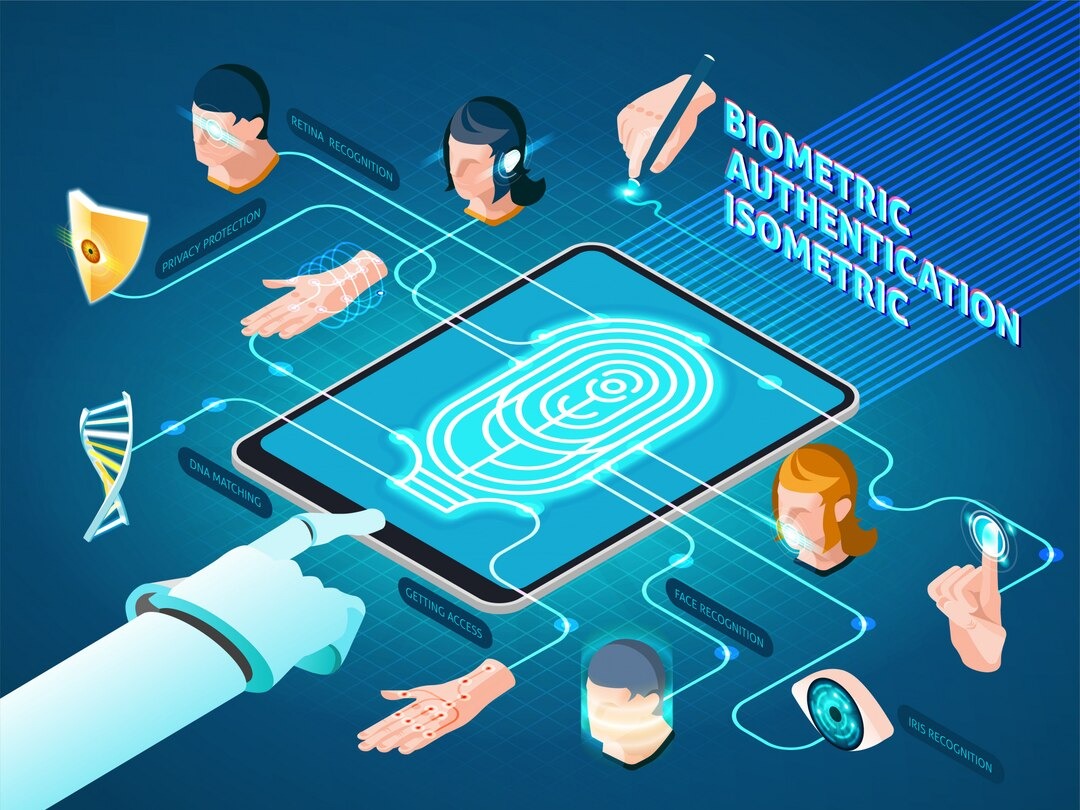
Healthcare organizations face a reality that most industries never have to confront: a single security breach can simultaneously expose millions of patient records, trigger federal investigations, result in multi-million dollar fines, and erode the patient trust that clinical operations depend on. In 2023 alone, healthcare data breaches affected over 133 million individuals in the United States, making it the most targeted sector for cybercriminals for the thirteenth consecutive year. The average cost of a healthcare data breach now exceeds $10.9 million, nearly three times the cross-industry average.
The root cause behind most of these incidents is not exotic zero-day malware or nation-state espionage. It is a far more mundane problem: the wrong people have access to systems and data they should not be able to reach. Former employees whose accounts were never disabled. Contractors with broader permissions than their role requires. Clinicians sharing login credentials because the authentication process is too cumbersome. These are identity problems, and they demand identity solutions.
Healthcare Identity and Access Management (IAM) addresses exactly this challenge. As regulatory requirements under HIPAA and HITECH grow stricter and healthcare environments become more complex, IAM has shifted from a nice-to-have capability to a foundational requirement for any organization that handles protected health information.
What Is Healthcare IAM?
Definition:
Healthcare IAM (Identity and Access Management in healthcare) is a framework of policies, processes, and technologies that ensures the right individuals have appropriate access to the right healthcare systems and data, at the right time, for the right reasons. It governs the complete identity lifecycle from onboarding through offboarding while enforcing HIPAA-compliant access controls across clinical, administrative, and third-party users.
How Healthcare IAM Works
At its core, healthcare IAM operates by creating and managing digital identities for every user who interacts with organizational systems. When a new nurse joins a hospital, IAM provisions her account, assigns role-appropriate access to the EHR, scheduling systems, and medication management platforms, and enforces authentication requirements before she can log in. When she transfers departments, IAM adjusts her access automatically. When she leaves the organization, IAM terminates all access immediately, across every connected system.
This lifecycle management happens within a governance structure that continuously validates whether existing access assignments remain appropriate. Automated access reviews flag accounts that have accumulated excessive permissions over time. Anomaly detection identifies access patterns that deviate from normal behavior. Audit logs capture every access event in a format that satisfies regulatory requirements.
Key Components of Healthcare IAM
A complete healthcare IAM framework integrates several capabilities that work together:
- Identity Governance: Policies and workflows that control who has access to what and why
- User Provisioning and Deprovisioning: Automated account creation, modification, and termination
- Access Certification: Periodic review campaigns that validate access appropriateness
- Role-Based Access Control (RBAC): Access assignments based on job function rather than individual requests
- Single Sign-On (SSO): One authentication event granting access to multiple authorized systems
- Multi-Factor Authentication (MFA): Verification using two or more independent credential types
- Privileged Access Management (PAM): Specialized controls for accounts with elevated system access
- Audit and Compliance Reporting: Continuous logging and reporting for regulatory requirements
Why Healthcare Organizations Need IAM

Increasing Cybersecurity Threats
Healthcare has become the most lucrative target for cybercriminals because patient data is extraordinarily valuable. A complete electronic health record can sell for hundreds of dollars on dark web markets, compared to a few dollars for a financial record. Ransomware groups specifically target hospitals because operational disruption creates immediate pressure to pay. Phishing campaigns target clinical staff because they handle high-value data and are often too busy to scrutinize suspicious emails carefully.
The threat landscape has expanded beyond external attackers. Business email compromise, credential stuffing attacks, and supply chain compromises through third-party vendors have all become standard attack vectors. Healthcare organizations that rely on perimeter security alone are operating with a fundamentally incomplete defense model.
Protecting Electronic Health Records (EHR)
Electronic health records represent the most sensitive category of personal information that exists. They contain diagnoses, medications, mental health history, substance abuse treatment records, HIV status, genetic information, and financial data, all in a single system. The regulatory consequences of unauthorized EHR access are severe, and the reputational damage to organizations that experience high-profile breaches can affect patient census for years.
IAM creates the access control layer that determines who can read, modify, or export EHR data. Without it, access decisions are made ad hoc, creating inconsistencies that regulators and auditors find unacceptable.
Managing Workforce Identities
A mid-sized regional hospital might have 3,000 to 5,000 employees across dozens of roles: physicians, nurses, pharmacists, lab technicians, billing specialists, IT staff, security personnel, and administrators. Each role requires a different access profile across dozens of clinical and administrative systems. Managing this complexity manually is not just inefficient, it is operationally dangerous.
Add to this the reality of healthcare workforce dynamics: high turnover rates, per-diem staff, agency nurses, rotating residents, medical students on clinical rotations, and a constant stream of new vendor representatives. IAM automates the governance of these identities in ways that manual processes simply cannot replicate.
Supporting Digital Healthcare Transformation
Telehealth, connected medical devices, cloud-based EHR platforms, patient portals, and mobile clinical applications have fundamentally changed what healthcare IT infrastructure looks like. The access control models designed for on-premises systems in the 1990s do not translate to multi-cloud, multi-device, multi-location environments.
Modern healthcare IAM provides the identity fabric that makes digital transformation secure. It ensures that a physician accessing patient records from a home office receives the same access controls as one sitting at a hospital workstation, and that a connected infusion pump communicating with a medication management system is authenticated appropriately.
Key Challenges in Healthcare Identity and Access Management
Complex User Ecosystems
Healthcare organizations must manage identities across multiple distinct populations: permanent employees, temporary and contract staff, medical staff with independent privileges, students and trainees, vendors and third-party partners, and increasingly, patients accessing their own health information through portals. Each population has different identity lifecycle requirements, different access needs, and different governance considerations.
The overlap between these groups creates additional complexity. A physician might be both a medical staff member and a part-time employee. A vendor might also be a patient. These multi-identity scenarios require an IAM architecture sophisticated enough to handle overlapping roles without creating access conflicts or compliance gaps.
Legacy Healthcare Systems
Many healthcare organizations operate clinical systems that were deployed decades ago, long before modern identity standards existed. These legacy applications often lack support for SAML or OAuth protocols, making SSO integration difficult. They may store credentials in outdated formats, have limited audit logging capabilities, or require local admin access to function properly.
Modernizing access controls for these systems requires creative architectural approaches: identity bridges, protocol translators, privileged access management tools that wrap legacy applications, and phased migration strategies that improve security incrementally without disrupting clinical operations.
Third-Party Access Risks
Healthcare organizations routinely grant system access to external parties: EHR vendors performing maintenance, medical equipment manufacturers accessing device management systems, billing outsourcers working in revenue cycle applications, and consultants engaged in system implementations. Each of these represents a potential attack vector.
The 2020 SolarWinds breach demonstrated how devastating third-party compromises can be. In healthcare, where vendor access to clinical systems is the norm rather than the exception, managing third-party identities with the same rigor as internal users is not optional.
Insider Threats
Not all healthcare data breaches are caused by external attackers. A significant percentage involve current or former employees accessing records inappropriately, whether for financial gain, curiosity, or malice. The 2015 Anthem breach began with a phishing attack that compromised an employee’s credentials, but countless smaller incidents involve employees accessing celebrity patient records, ex-partner health information, or neighbor medical histories.
IAM controls that enforce minimum necessary access principles, combined with behavioral analytics that flag unusual access patterns, form the primary defense against insider threats.
Regulatory Compliance Requirements
Healthcare organizations operate under an overlapping web of compliance requirements: HIPAA Privacy and Security Rules, HITECH Act provisions, state-level privacy laws, CMS Conditions of Participation, Joint Commission standards, and more. Each framework has specific requirements related to access control, audit logging, workforce training, and breach notification.
Manually demonstrating compliance with these requirements is extraordinarily time-consuming. IAM platforms that automate compliance documentation, generate audit-ready reports, and provide continuous monitoring reduce the compliance burden substantially.
Core Components of a Healthcare IAM Framework

Identity Governance
Identity governance is the decision-making layer of IAM. It defines who has authority to grant access, what approval workflows must be followed, how long access remains valid before requiring re-certification, and what happens when policy violations are detected.
In a healthcare context, governance policies must account for clinical urgency. A physician arriving for an emergency shift needs immediate access to patient records, not a 48-hour approval queue. Well-designed healthcare IAM governance balances security controls with clinical workflow realities, using risk-based approaches that apply more friction to sensitive access requests while streamlining routine provisioning.
User Provisioning and Deprovisioning
Automated provisioning creates accounts and assigns role-appropriate access when a new user is onboarded, typically triggered by an HR system event. When an employee’s role changes, provisioning workflows automatically adjust access to match the new position. When employment ends, deprovisioning removes all access immediately, without depending on a manager to remember to submit a ticket.
The deprovisioning use case deserves special emphasis. In healthcare, failure to timely revoke access for terminated employees is one of the most commonly cited HIPAA Security Rule violations. Automated deprovisioning tied directly to HR system events eliminates this risk.
Access Certification
Access certification (also called access reviews or recertification campaigns) is the periodic process of validating that existing access assignments remain appropriate. IAM platforms automate these campaigns by generating review tasks for managers or data owners, who confirm or revoke each access assignment.
In healthcare, certification campaigns typically run quarterly or annually, depending on the sensitivity of the systems being reviewed. The documentation generated by these campaigns is directly valuable for HIPAA compliance audits.
Role-Based Access Control (RBAC)
RBAC assigns access based on defined job roles rather than individual user requests. An emergency department nurse role might grant access to the ED module of the EHR, the medication administration record, the order entry system, and the nursing documentation module, but not to the billing system or research databases.
The RBAC model simplifies administration significantly. When a new ED nurse is hired, assigning the correct role automatically provisions all necessary access. When the role definition changes, all users with that role are updated simultaneously. This consistency also makes compliance demonstration straightforward.
Single Sign-On (SSO)
Clinical staff interact with many systems throughout a shift: the EHR, the PACS imaging system, the lab system, the pharmacy system, medication dispensing cabinets, and clinical communication platforms. Without SSO, they authenticate separately to each system, creating both a productivity burden and a security risk (clinicians sharing credentials to avoid constant logins).
SSO allows a single authentication event to grant access to all authorized systems. In clinical environments, this is often implemented as proximity card or badge tap-in, allowing a nurse to tap her badge at any workstation and immediately access her full clinical application suite. The productivity and security benefits are significant.
Multi-Factor Authentication (MFA)
MFA requires users to verify their identity using two or more independent factors: something they know (password), something they have (smartphone or hardware token), or something they are (fingerprint or facial recognition). This makes credential theft dramatically less effective, because a stolen password alone is insufficient to gain access.
Healthcare-specific MFA implementations must balance security with clinical workflow. Requiring a physician to open an authentication app every time they access the EHR in a fast-paced clinical environment creates workflow friction that leads to workarounds. Modern healthcare IAM platforms support adaptive MFA, which applies additional authentication factors based on contextual risk signals: unusual login times, unrecognized devices, off-network access, or sensitive data access requests.
Password Management
Weak and reused passwords remain one of the leading causes of healthcare credential compromises. Enterprise password management in healthcare IAM includes enforced complexity requirements, automatic expiration policies, self-service password reset capabilities (reducing help desk burden), and integration with breach databases to detect and force resets of compromised credentials.
Passwordless authentication approaches, using biometrics or hardware keys, are gaining adoption in healthcare as they eliminate the weakest link in the authentication chain while also improving the user experience.
Privileged Access Management (PAM)
Healthcare IT systems depend on privileged accounts: database administrators, system administrators, network engineers, and security personnel who require elevated access to maintain infrastructure. These accounts represent high-value targets for attackers and high-risk vectors for insider threats.
PAM solutions manage privileged credentials through vaulted password management, session recording, just-in-time access provisioning, and behavioral monitoring. When a vendor technician needs to access a database server, PAM provisions a time-limited credential, records the entire session, and revokes access automatically when the session ends.
How Healthcare IAM Protects Patient Data

Securing EHR and EMR Systems
EHR and EMR systems are the primary repositories of protected health information and the primary target of both external attackers and curious insiders. IAM protects these systems through layered controls: strong authentication before access is granted, RBAC limiting access to relevant clinical modules, context-aware access policies that adjust permissions based on the patient-clinician care relationship, and continuous monitoring that flags unusual access patterns.
Break-glass procedures represent an important healthcare-specific IAM capability. When a physician needs emergency access to a patient’s record outside of a normal care relationship, break-glass allows override of standard access controls with immediate logging and post-event review.
Controlling Access to Sensitive Information
Not all health information carries equal sensitivity. Mental health records, substance abuse treatment records, HIV status, and genetic information are subject to heightened privacy protections under federal and state law. IAM platforms can enforce segmented access controls for these categories, ensuring that access requires explicit additional authorization beyond standard clinical role assignments.
Preventing Unauthorized Access
Access prevention operates at multiple layers: authentication controls that verify user identity, authorization controls that enforce what authenticated users can do, network controls that restrict access to sensitive systems by location or device, and anomaly detection that identifies and blocks suspicious access attempts in real time.
Reducing Insider Threats
Minimum necessary access, the principle that users should have only the access required for their job function and nothing more, is both a HIPAA requirement and the primary IAM defense against insider threats. When a billing specialist has no access to clinical records, she cannot exfiltrate them regardless of her intentions. IAM enforces this principle systematically through RBAC and governance controls.
Healthcare IAM and HIPAA Compliance
Understanding HIPAA Requirements
The HIPAA Security Rule establishes specific requirements for the access control and audit controls that healthcare organizations must implement. The Access Control standard (45 CFR §164.312(a)(1)) requires covered entities to implement technical policies that allow only authorized persons to access electronic protected health information. The Audit Controls standard (45 CFR §164.312(b)) requires hardware, software, and procedural mechanisms to record and examine activity in systems containing ePHI.
The Security Rule also includes requirements for automatic logoff, unique user identification, and emergency access procedures, all of which are addressed by a comprehensive healthcare IAM implementation.
IAM Controls That Support HIPAA
| HIPAA Requirement | IAM Control |
|---|---|
| Unique User Identification | Individual accounts with no shared credentials |
| Emergency Access Procedure | Break-glass access with audit logging |
| Automatic Logoff | Session timeout policies enforced by IAM |
| Encryption and Decryption | Key management tied to identity attributes |
| Audit Controls | Comprehensive access logging across all systems |
| Access Control | RBAC with minimum necessary access enforcement |
| Person Authentication | MFA and strong authentication policies |
| Transmission Security | Identity-verified encrypted channel enforcement |
Audit Trails and Access Monitoring
Every access event, every authentication attempt, every permission change, and every administrative action generates an audit log entry. IAM platforms aggregate these logs from disparate systems into a centralized view that supports compliance investigations, breach response, and routine audits.
When OCR (Office for Civil Rights) investigators arrive following a breach notification, the quality and completeness of audit logs significantly affects investigation outcomes. Organizations with comprehensive IAM-generated audit trails are far better positioned than those relying on incomplete system-level logs scattered across multiple platforms.
Compliance Reporting
IAM platforms generate reports that directly map to regulatory requirements: user access reports showing who has access to what, certification reports documenting access review completion, provisioning reports showing access changes and approvals, and exception reports flagging policy violations. These reports reduce the manual effort associated with compliance documentation and provide evidence of due diligence.
Healthcare IAM and HITECH Compliance

HITECH Overview
The Health Information Technology for Economic and Clinical Health Act expanded HIPAA requirements and significantly increased the consequences for non-compliance. HITECH introduced tiered civil penalties that can reach $1.9 million per violation category per year, extended HIPAA obligations to business associates, and established a mandatory breach notification framework.
Critically for IAM purposes, HITECH increased enforcement scrutiny around audit controls and access management. Demonstrating that access to ePHI is appropriately controlled and continuously monitored has become a central element of HITECH compliance.
Security Requirements
HITECH strengthened the HIPAA Security Rule by making compliance oversight more rigorous and enforcement more aggressive. OCR’s HITECH-empowered audit program has resulted in settlements and judgments against organizations for access control failures, inadequate audit logging, and failure to implement appropriate user authentication.
Organizations subject to HITECH (which includes all HIPAA-covered entities and their business associates) must be able to demonstrate:
- Who has access to ePHI systems
- How access requests are approved and documented
- How access is terminated when no longer required
- How access appropriateness is periodically validated
- How suspicious access activity is detected and investigated
These requirements map directly to IAM capabilities.
Breach Prevention Strategies
The majority of HITECH breach notifications involve access control failures: unauthorized access, former employee access, or inappropriate access by current employees. IAM’s core functions, proper provisioning, timely deprovisioning, access certification, and behavioral monitoring, address the root causes of these breaches rather than just the symptoms.
Benefits of IAM in Healthcare
Improved Security
The security benefits of healthcare IAM are measurable. Organizations with mature IAM programs experience fewer unauthorized access incidents, faster detection of account compromise, more complete removal of access upon employee departure, and better protection against both external attacks and insider threats. Every layer of IAM control, from MFA to access certification, reduces the attack surface available to adversaries.
Better Compliance
Compliance is where many healthcare organizations feel the most immediate IAM benefit. Automated access reviews, comprehensive audit logging, and policy-driven access controls transform compliance from an annual scramble into a continuous, documented process. Regulatory audits become substantially less stressful when evidence of access governance is automatically generated and retained.
Faster User Provisioning
Manual onboarding processes in healthcare can take days, with new employees waiting for system access while IT processes individual requests. Automated IAM provisioning tied to HR system events can provision a new hire’s complete access profile within minutes of their account being created, improving time-to-productivity significantly.
Reduced Administrative Costs
IT help desk teams in healthcare organizations without mature IAM spend enormous resources on access-related requests: password resets, access grants, account unlocks, and provisioning tickets. Self-service capabilities and automated provisioning reduce this burden substantially. One commonly cited benchmark is that a single IAM implementation can reduce access-related help desk tickets by 30 to 40 percent.
Better User Experience
Clinical staff notice IAM most when it is implemented poorly, requiring repeated authentication, creating barriers to patient records during urgent situations, or locking accounts at critical moments. Well-implemented healthcare IAM, with SSO, adaptive MFA, and role-appropriate access profiles, reduces authentication friction significantly. Clinicians spend less time navigating security controls and more time with patients.
Improved Patient Trust
Patients are increasingly aware of healthcare data privacy and increasingly willing to choose providers based on security reputation. Organizations that experience high-profile data breaches see measurable impacts on patient acquisition and retention. Conversely, organizations that can demonstrate strong identity security practices build a trust foundation that has real competitive value.
Healthcare IAM Use Cases

Hospitals
Large hospital systems present IAM’s most complex use case. Multi-facility organizations must manage identities across campuses while maintaining consistent access policies. Clinical workflows vary by department, creating extensive role taxonomies. Medical staff credentialing intersects with system access provisioning. Integration with dozens of clinical systems, from EHR to PACS to laboratory information systems, requires robust federation capabilities.
A large academic medical center might manage 10,000 or more identities across multiple facilities, with some clinicians holding concurrent roles in clinical care, research, and medical education. IAM must accommodate this complexity without creating access gaps or over-provisioning.
Clinics
Ambulatory care organizations and physician practices face IAM challenges that are different in scale but not in kind. Smaller IT teams mean less capacity for manual access management. High staff turnover in front-office roles creates constant provisioning demand. Integration with cloud-based EHR platforms like Epic, Cerner, or Athenahealth requires IAM solutions that support modern federation standards.
Health Insurance Providers
Health plans must manage access to member health data, claims systems, authorization platforms, and care management applications across large administrative workforces. The intersection of financial and clinical data creates unique sensitivity. Business associate relationships with providers, pharmacy benefit managers, and care management vendors require robust third-party identity governance.
Telehealth Platforms
Telehealth has introduced new IAM requirements that traditional healthcare access controls were not designed to address. Clinicians and patients accessing virtual care platforms from consumer devices, across varied network environments, require identity verification approaches that are both secure and frictionless enough not to impede care delivery. Federated identity and adaptive authentication are central to telehealth IAM.
Pharmaceutical Organizations
Pharmaceutical companies managing clinical trial systems, research databases, and regulatory submission platforms have unique IAM requirements around data segregation, investigator access management, and audit trail requirements that must satisfy FDA 21 CFR Part 11. IAM platforms that support these specialized requirements provide significant compliance value.
Zero Trust and Healthcare IAM
What Is Zero Trust?
Zero Trust is a security architecture model built on the principle that no user, device, or network connection should be inherently trusted, regardless of location. In a Zero Trust environment, every access request is continuously verified, every device is validated, and every connection is treated as potentially hostile until proven otherwise. The traditional perimeter security model, which trusted everything inside the network boundary, has proven inadequate in an era of cloud services, mobile devices, and sophisticated attackers.
Why Healthcare Needs Zero Trust
Healthcare’s threat landscape makes Zero Trust particularly relevant. Ransomware attacks that encrypt hospital systems, beginning with a single compromised credential, have demonstrated exactly what happens when implicit trust exists within a network. The explosion of connected medical devices, many with minimal security capabilities, has expanded the attack surface dramatically. Remote work and telehealth have dissolved the network perimeter entirely.
The 2021 Scripps Health ransomware attack, the 2020 Universal Health Services attack, and dozens of similar incidents all followed a common pattern: an initial access point (usually a phishing attack or exposed credential) led to lateral movement across implicitly trusted internal systems. Zero Trust architecture would have limited the blast radius of each attack significantly.
IAM’s Role in Zero Trust Security
IAM is the foundational technology layer of Zero Trust implementation. The “verify explicitly” and “use least privilege access” pillars of Zero Trust are operationalized through IAM controls: strong authentication that verifies identity at every access attempt, continuous authorization that evaluates risk signals at each transaction, and minimum necessary access enforcement through RBAC and just-in-time provisioning.
Without robust IAM, Zero Trust is aspirational rather than operational. Organizations pursuing Zero Trust architecture in healthcare should treat IAM maturity as a prerequisite, not an afterthought.
Common Healthcare IAM Mistakes to Avoid
Overprovisioning Access
Access creep, the gradual accumulation of permissions that were once needed but never removed, is endemic in healthcare organizations with manual access management processes. A physician who rotates through multiple departments picks up access for each and never loses any. After a few years, her access profile looks nothing like her current role. Overprovisioning increases breach impact dramatically: when an overprovision account is compromised, the attacker inherits all accumulated access.
Weak Authentication
Password-only authentication is inadequate for healthcare systems. Yet many organizations have not fully implemented MFA across all clinical applications, relying on strong authentication only for remote access while leaving internal systems less protected. The assumption that internal network access implies legitimacy is exactly the kind of implicit trust that attackers exploit.
Manual Access Reviews
Organizations that conduct access reviews through spreadsheets and email chains are not conducting meaningful reviews. The process is too slow, too incomplete, and too dependent on reviewers who are too busy to engage meaningfully. Automated access certification campaigns with clear workflows, reminders, and escalations produce far more complete and defensible results.
Incomplete User Lifecycle Management
The most dangerous period in an identity’s lifecycle is often the departure. When offboarding depends on a manager submitting an IT ticket, access termination is delayed, incomplete, or forgotten entirely. Healthcare organizations that have experienced breach investigations following employee terminations understand the regulatory and reputational consequences of this failure.
Poor Governance Controls
Deploying IAM technology without implementing governance processes is equivalent to installing a lock but leaving the key in the door. Access approval workflows that are routinely bypassed, certification campaigns where managers rubber-stamp access without review, and RBAC role definitions that are never maintained all undermine the value of IAM investment.
Best Practices for Implementing Healthcare IAM
Adopt Role-Based Access
Start with a comprehensive role taxonomy that maps job functions to access requirements. Involve clinical and operational leaders in role definition to ensure that the roles reflect how work actually happens. Plan for role maintenance, because clinical workflows change, systems are added, and roles must evolve to remain accurate.
Automate User Lifecycle Management
Connect IAM to the authoritative HR system so that provisioning and deprovisioning events are triggered automatically by HR system changes. Eliminate manual request processes for standard role assignments. Reserve manual approval workflows for access that falls outside role definitions, ensuring that human review is focused where it adds value.
Enable MFA
Implement MFA across all systems that contain protected health information, not just remote access. Use adaptive MFA that increases authentication requirements based on risk context, reducing friction for routine access while applying appropriate controls to high-risk scenarios.
Conduct Regular Access Reviews
Schedule formal access certification campaigns at frequencies appropriate to system sensitivity. Build review workflows into the IAM platform rather than relying on manual processes. Track completion rates and follow up on incomplete reviews. Document results as compliance evidence.
Monitor Privileged Accounts
Privileged accounts require more intensive monitoring than standard user accounts. Implement session recording for privileged access to sensitive systems. Use just-in-time provisioning so that privileged access is granted for specific tasks and expires automatically. Review privileged account activity regularly.
Implement Continuous Compliance Monitoring
Deploy real-time monitoring that flags policy violations, segregation of duties conflicts, and unusual access patterns as they occur. Continuous monitoring converts compliance from an annual event into an ongoing operational discipline.
Why Identity Governance Is Critical in Healthcare
Identity governance answers a question that regulators ask first during a HIPAA audit: “How do you know that the right people have the right access, and how do you ensure it remains appropriate over time?” Without governance, that question has no satisfying answer.
Consider a realistic healthcare scenario: a hospital’s billing department undergoes a reorganization. Several employees move to new roles. New hires join the team. A few employees leave. Without automated governance, some of the former employees’ accounts may remain active. Some of the role changers may retain access to systems they no longer need. New hires may be waiting for access they need immediately. Over the following months, the billing department’s access profile drifts further from what policy requires.
Access reviews within a governance framework catch and correct this drift systematically. When a manager reviews her team’s access quarterly and confirms or revokes each assignment, inappropriate access is removed before it creates a liability. When a physician’s access to research systems is reviewed annually by the research administrator, access that is no longer justified is terminated proactively rather than in response to an incident.
Segregation of duties controls, another key governance function, prevent a single individual from holding combinations of access rights that create fraud or error risk. In a healthcare revenue cycle context, preventing a billing employee from both submitting claims and approving payments to the same account reduces the risk of financial fraud.
Compliance audits consistently reward organizations with demonstrable governance programs. When regulators can see documented access reviews, approval workflows with complete audit trails, and exception handling processes, they understand that access management is a controlled process rather than an ad hoc one. This translates directly to reduced regulatory risk.
Future Trends in Healthcare IAM
AI-Powered Identity Security
Artificial intelligence and machine learning are transforming what IAM platforms can detect and respond to. AI-powered user entity and behavior analytics (UEBA) establishes behavioral baselines for each identity, detecting anomalies that rule-based systems miss. A radiologist who suddenly accesses oncology clinic records at 2 AM from an unfamiliar device presents a risk signal that AI can identify and escalate automatically. These capabilities are becoming more accessible and more effective as healthcare IAM platforms integrate them natively.
Passwordless Authentication
The password as a primary authentication factor is approaching the end of its useful life. FIDO2 standards, biometric authentication, and hardware security keys provide authentication that is simultaneously more secure and easier to use than passwords. Healthcare organizations are beginning to deploy passwordless approaches, particularly in clinical settings where badge-tap authentication can replace repeated password entry without sacrificing security.
Cloud-Based IAM
As healthcare organizations accelerate cloud adoption, on-premises IAM infrastructure becomes increasingly inadequate. Cloud-native IAM platforms provide scalability, faster feature delivery, and better integration with cloud-hosted applications. Identity as a Service (IDaaS) models are gaining adoption in healthcare, particularly among organizations that lack the internal resources to maintain complex on-premises IAM infrastructure.
Identity Threat Detection and Response (ITDR)
ITDR represents the convergence of identity management and threat detection. Rather than treating IAM as a purely administrative function, ITDR platforms continuously analyze identity-related telemetry for evidence of attack activity: credential stuffing, privilege escalation, lateral movement, and persistence establishment. When threats are detected, automated response actions can terminate sessions, revoke access, and alert security teams. Healthcare organizations facing sophisticated ransomware threats find ITDR capabilities increasingly essential.
Decentralized Identity
Decentralized identity, using standards like W3C Verifiable Credentials and self-sovereign identity frameworks, represents an emerging approach with significant healthcare potential. Rather than relying on a central identity provider to vouch for user credentials, decentralized identity allows individuals to hold and present cryptographically verifiable claims about their identities from multiple sources. For healthcare, this could eventually enable patients to carry portable, privacy-preserving health credentials and allow clinicians to present verifiable professional credentials across organizational boundaries without repetitive credentialing processes.
Conclusion:
Healthcare organizations are operating in a threat environment that demands more from identity security than most have delivered historically. Cyberattacks continue to increase in frequency and sophistication, regulatory enforcement is intensifying, and the consequences of access control failures are measured in patient safety impacts, financial penalties, and reputational damage that affects the ability to serve communities.
Healthcare IAM provides the structured, scalable approach to access governance that this environment requires. By implementing strong authentication, automated lifecycle management, role-based access controls, and continuous governance through access certification and compliance monitoring, healthcare organizations can systematically reduce both their security risk and their compliance burden.
The path forward involves treating identity security not as an IT function but as an organizational priority that requires executive sponsorship, adequate investment, and ongoing attention. Organizations that have implemented mature IAM programs, with governance processes, automation, and continuous monitoring, consistently demonstrate better security outcomes and smoother regulatory interactions than those relying on manual processes.
Identity governance, access certification, and identity modernization are not abstract concepts. They are operational disciplines that determine whether a healthcare organization can confidently answer the question every regulator asks: “Who has access to patient data, and how do you know it’s appropriate?” Building the IAM foundation that supports that answer is among the most important security investments a healthcare organization can make.
Frequently Asked Questions:
What is Healthcare IAM?
Healthcare IAM (Identity and Access Management) is a framework of policies, processes, and technologies that manages digital identities and controls access to healthcare systems and data. It governs the complete identity lifecycle from onboarding through offboarding and enforces HIPAA-compliant access controls across all user populations.
Why is IAM important in healthcare?
Healthcare faces the highest rate of data breaches of any industry, with breaches averaging over $10.9 million in cost. IAM is important because it directly addresses the root cause of most breaches: inappropriate access to systems and data. It also supports mandatory compliance requirements under HIPAA and HITECH and improves operational efficiency through automation.
How does IAM support HIPAA compliance?
IAM supports HIPAA compliance by implementing the access controls, audit logging, user authentication, and automatic logoff requirements specified in the HIPAA Security Rule. It provides documentation through access certification campaigns and compliance reports that demonstrate ongoing access governance to auditors and regulators.
What is healthcare identity governance?
Healthcare identity governance is the policy and process layer of IAM that determines who has authority to approve access, how access is periodically reviewed for continued appropriateness, and how policy violations are detected and remediated. It includes access certification campaigns, segregation of duties controls, and compliance reporting.
What are the benefits of healthcare IAM?
Key benefits include improved security through consistent access controls, better regulatory compliance with automated documentation, faster user provisioning tied to HR system events, reduced IT administrative costs through self-service and automation, better clinical user experience through SSO, and improved patient trust through demonstrable data protection practices.
How does IAM protect patient data?
IAM protects patient data by ensuring only authenticated, authorized users can access EHR and other clinical systems, enforcing minimum necessary access through RBAC, detecting and alerting on unusual access patterns, providing break-glass access controls for emergencies, and maintaining complete audit trails of all access events.
